Featured photography by Callie Edwards of Boys & Girls Club of the High Rockies, originally highlighted in the latest South Park National Heritage Area magazine issue. Additional imagery courtesy of contributing photographers and Mt. Bailey Productions.
South Park is often recognized for its sweeping valleys, historic towns, and railroad heritage. Look closer and another story begins to unfold.
Tucked among alpine meadows and wind swept ridgelines are rare and resilient native plants that define this high elevation ecosystem. Some bloom for only a short window each summer. Others thrive in conditions that would challenge most species.
These wildflowers are more than seasonal beauty. They are indicators of ecological health, climate resilience, and South Park’s unique environmental character.
In the latest issue of the South Park National Heritage Area magazine, we featured a closer look at several of these remarkable plants. Here, we expand on that story.
Familiar Blooms, Deep Roots
Not every meaningful wildflower in South Park is rare. Some are widely recognized yet still deeply tied to this landscape.
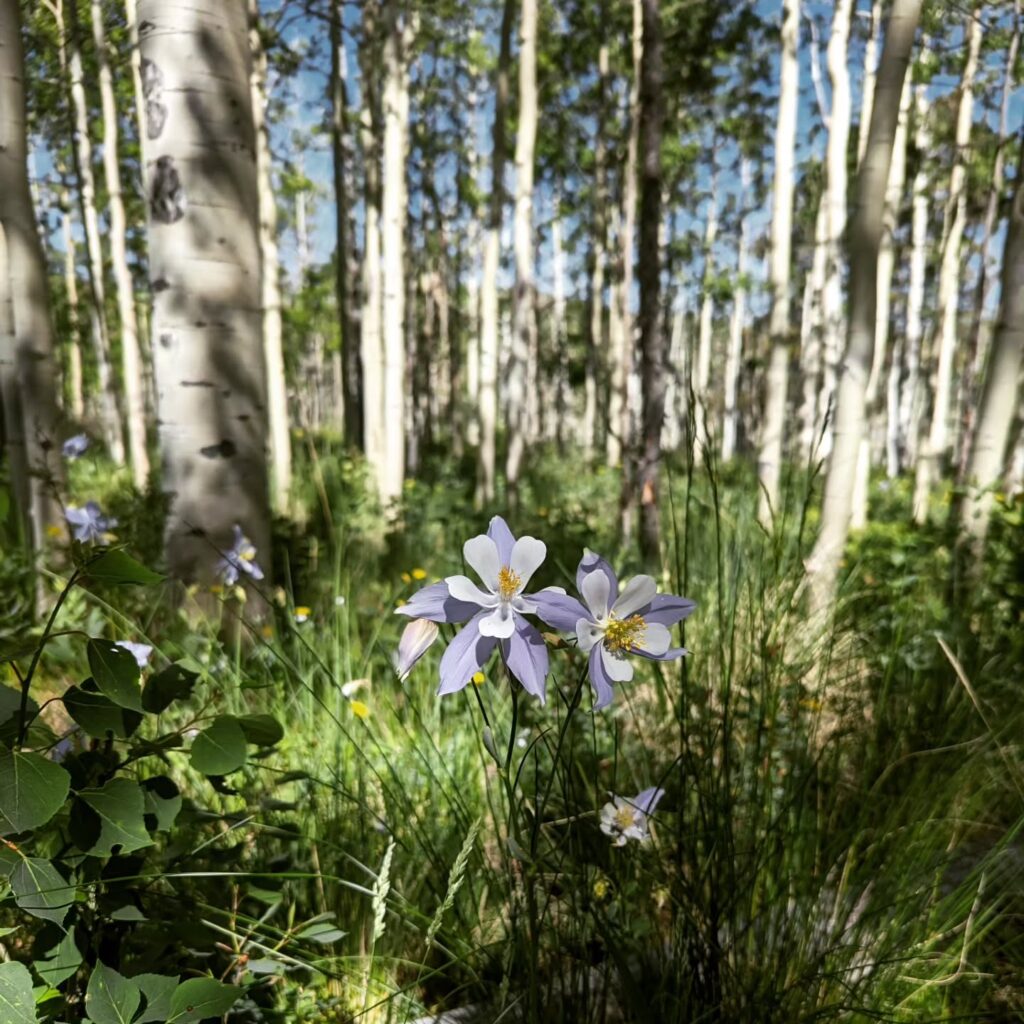
Photo by Joshua Cantu of Mt. Bailey Productions LLC
Columbine (Aquilegia caerulea)
The Colorado Columbine, with its delicate white and lavender petals, often appears in aspen groves and along shaded forest slopes. Though it grows in other parts of the state, seeing Columbines bloom in South Park’s high altitude environment highlights their quiet resilience.
These flowers emerge during a short alpine window, thriving despite cool nights and unpredictable mountain weather. Their presence signals healthy forest understories and seasonal moisture patterns that sustain a broader ecosystem.
In South Park, the Columbine feels less like a symbol and more like a seasonal marker. It is a sign that the valley has fully awakened.
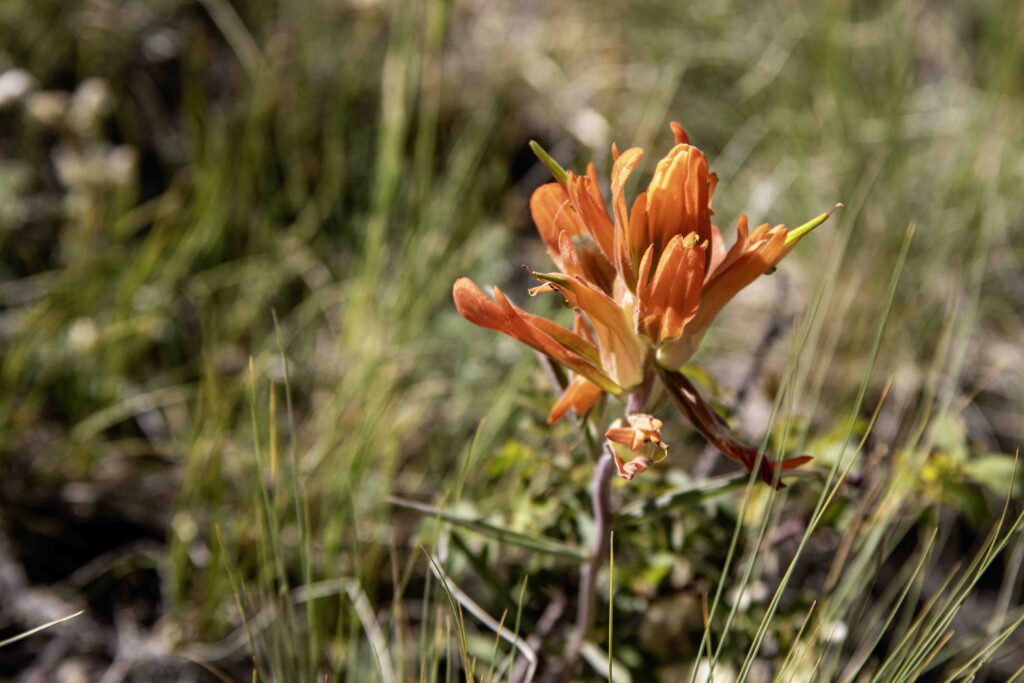
Photo by Stephanie Cantu of Mt. Bailey Productions LLC
Indian Paintbrush (Castilleja miniata and related species)
Brilliant red and orange Paintbrush blooms stand in bold contrast against sagebrush and alpine grasses. Often found in open meadows and rocky slopes, Indian Paintbrush thrives in tougher soils and exposed environments.
What many people do not realize is that the bright red portions are actually bracts, or modified leaves. The true flowers are the smaller tubular structures tucked within. This botanical detail reflects the adaptability of high elevation plants.
Beyond its visual impact, Paintbrush supports pollinators during the valley’s short growing season. It plays a meaningful role in sustaining mountain biodiversity.
These familiar blooms provide an accessible entry point into the larger botanical story of South Park.
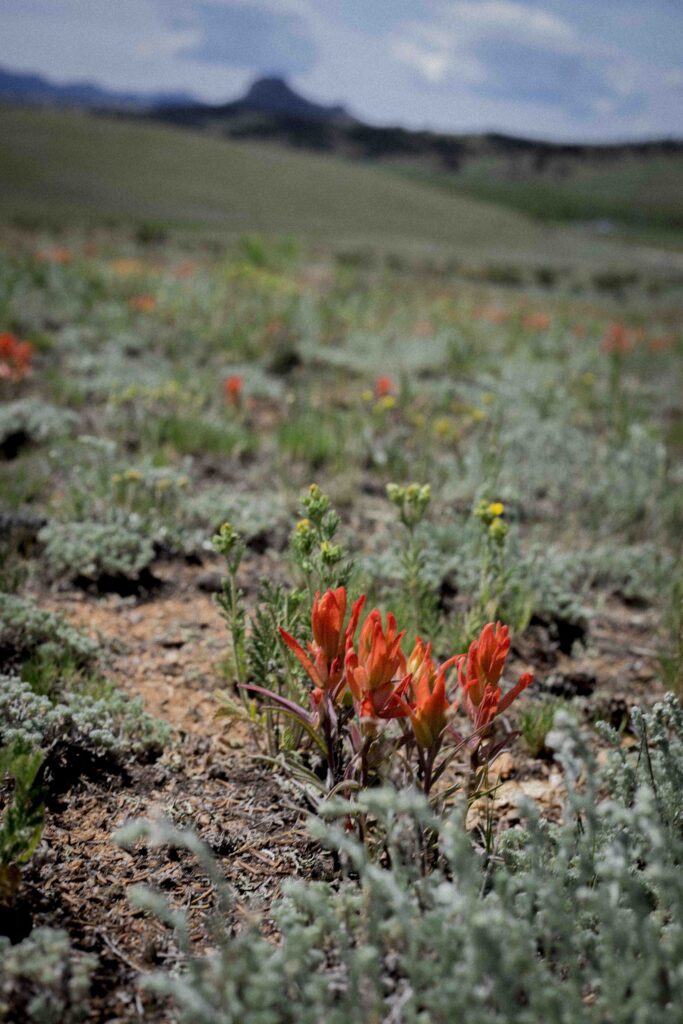
Photo by Stephanie Cantu of Mt. Bailey Productions LLC
A Landscape Shaped by Elevation
At over 8,000 feet above sea level, South Park’s growing season is short. Winters are long. Winds can be intense. Soil conditions vary from rocky alpine slopes to delicate wetland systems.
Each summer, color returns.
This brief bloom period reveals species uniquely adapted to survive here. These plants have evolved over centuries to withstand temperature swings, thin air, and limited moisture.
Many are rarely found outside specific high elevation zones.
That rarity makes them especially significant.
View this post on Instagram
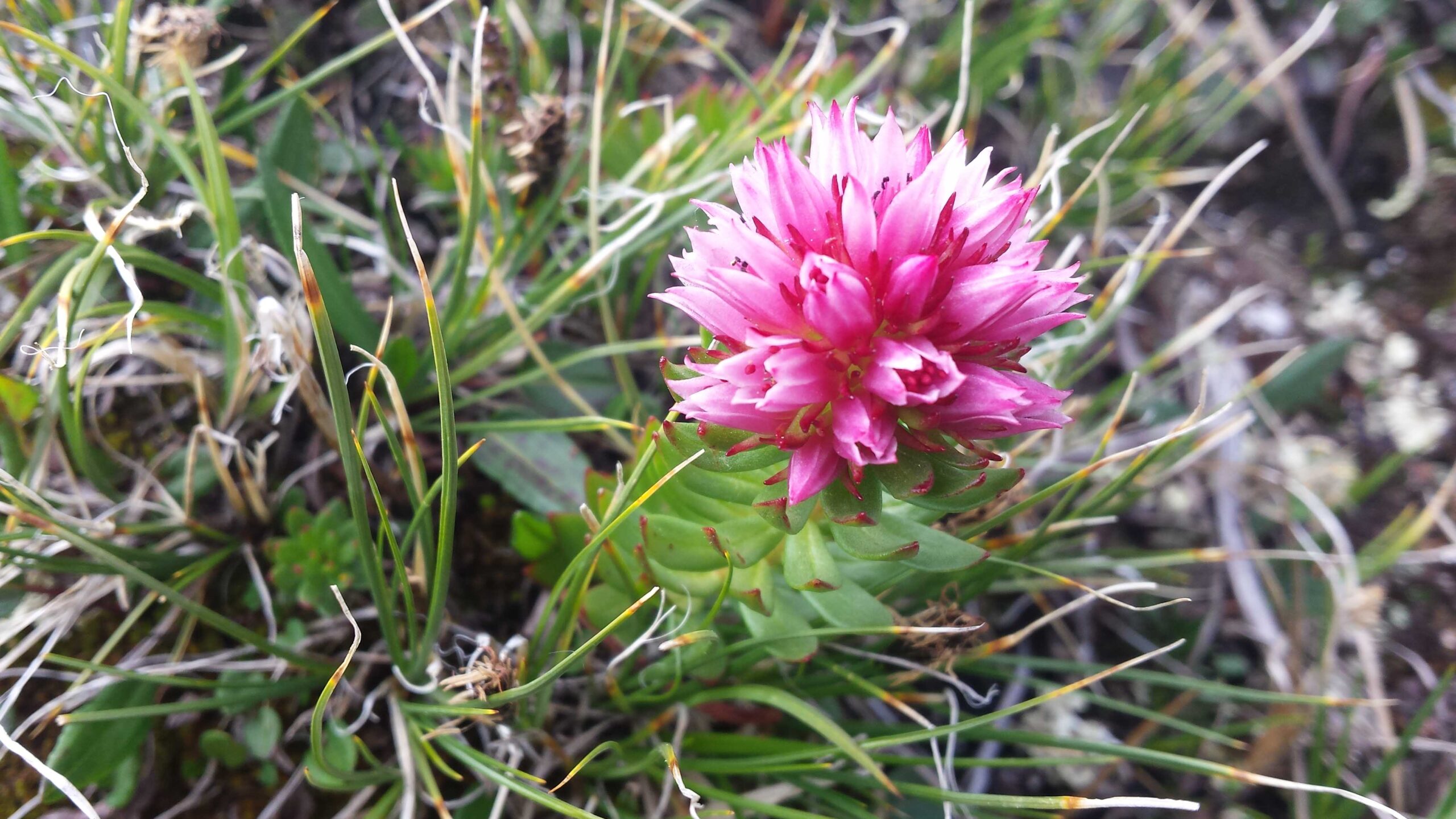
Queen’s Crown (Rhodiola integrifolia)
One of the most striking native blooms featured in our recent magazine article is Queen’s Crown.
With vivid pink petals clustered into a crown like shape, this succulent alpine plant thrives in high elevation meadows and rocky slopes. Its thick leaves store moisture, allowing it to endure unpredictable mountain weather.
Beyond its beauty, Queen’s Crown supports pollinators during the short alpine summer. It is a reminder that resilience often looks delicate at first glance but is rooted in strength.
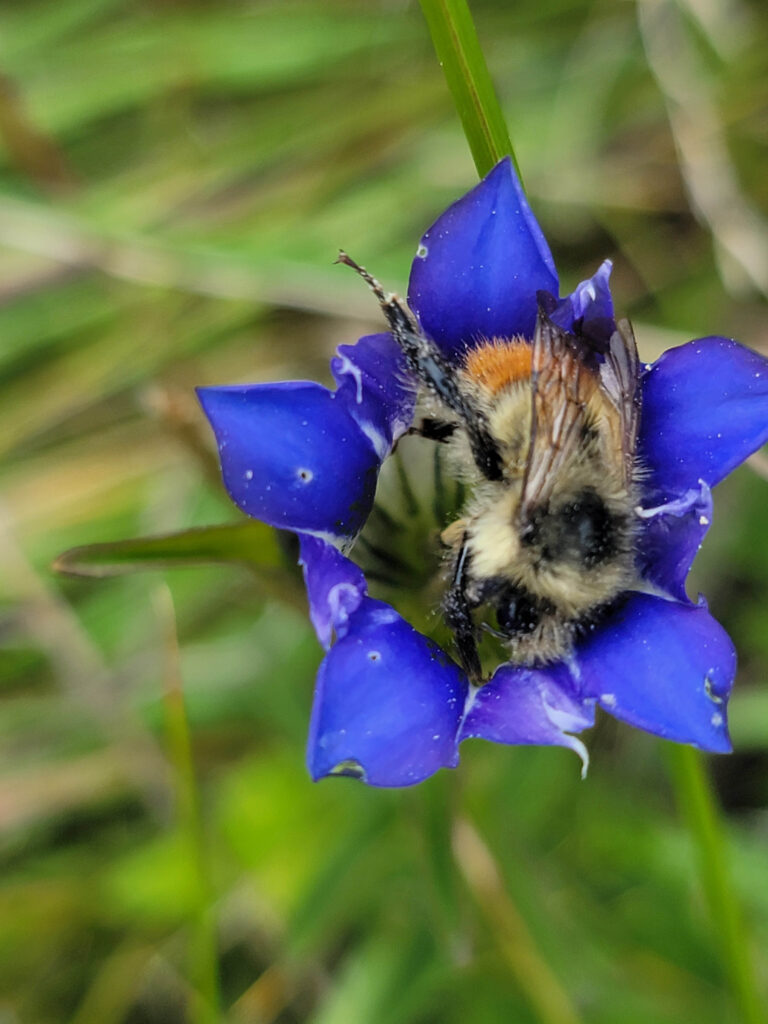
Photo by Callie Edwards of Boys & Girls Club of the High Rockies
Parry Gentian (Gentiana parryi)
Parry Gentian is known for its brilliant blue purple petals that seem almost electric against green alpine grasses.
This native species prefers moist meadows and wetland areas. It blooms later in the summer season when many other flowers begin to fade. Its timing helps extend pollinator support into late summer.
Though widespread in certain regions of Colorado, seeing it bloom in South Park’s open landscape offers a striking contrast of vibrant color against expansive valley skies.
Grass of Parnassus (Parnassia kotzebuei)
Despite its name, Grass of Parnassus is not a grass at all. This delicate white flower thrives in alpine wetlands and along high elevation streams.
Its presence often signals a healthy wetland ecosystem.
Small and subtle, Grass of Parnassus invites visitors to slow down and look closely. It does not dominate the landscape. Instead, it rewards careful observation, aligning beautifully with the spirit of heritage interpretation.
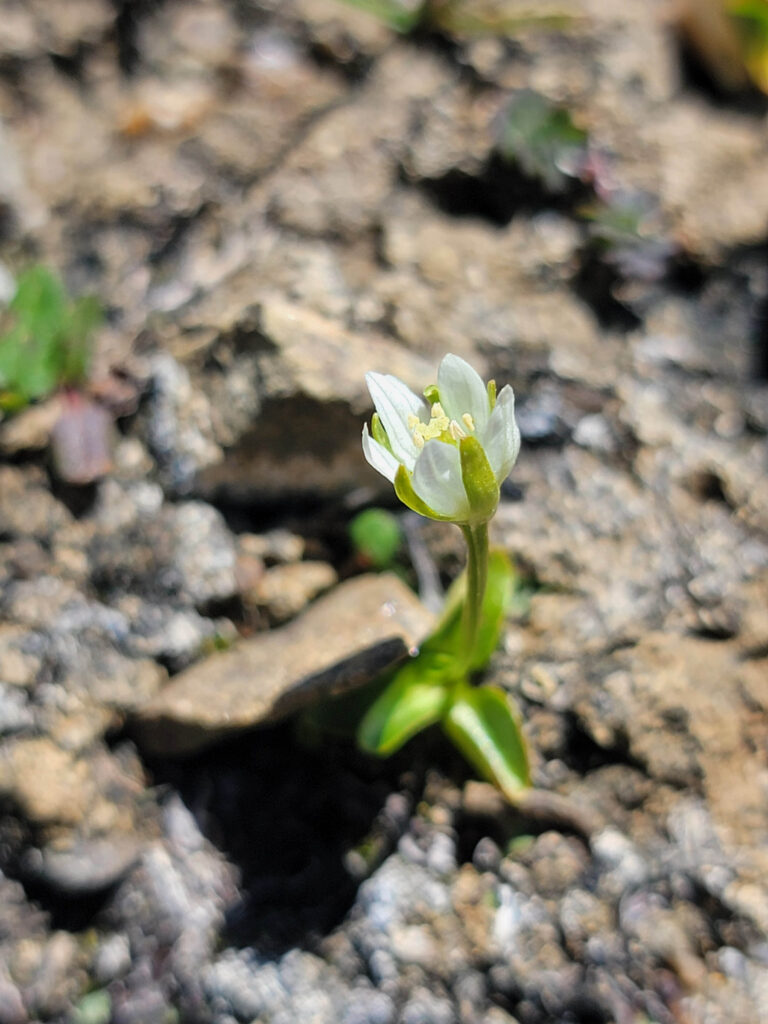
Photo by Callie Edwards of Boys & Girls Club of the High Rockies
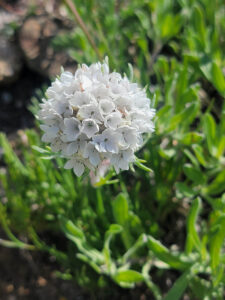
Photo by Callie Edwards of Boys & Girls Club of the High Rockies
Hoosier Pass Ipomopsis (Ipomopsis globularis)
Found only in select high elevation environments, this rare globular bloom is a reminder of how specialized some of South Park’s plant life truly is.
The Hoosier Pass Ipomopsis grows in limited alpine zones and reflects the ecological uniqueness of the Mosquito Range and surrounding areas.
Species like this underscore why conservation and monitoring efforts matter. Once disrupted, high elevation ecosystems are slow to recover.
Why Botanical Heritage Matters
When people think of heritage areas, they often imagine historic buildings, railroads, and preserved downtown districts.
Natural heritage is equally vital.
The South Park National Heritage Area recognizes that landscape, ecology, and cultural history are deeply interconnected. Ranching, mining, and transportation routes were shaped by the land itself.
Wildflowers are not separate from that story. They are part of the ecosystem that sustained early settlers, Indigenous communities, wildlife, and modern residents.
Monitoring native plant species helps scientists understand climate patterns, watershed health, and long term ecological change. Photography and documentation serve both as celebration and record.
The images featured in the SPNHA magazine capture more than beauty. They preserve a visual record of species that may face increasing pressure from climate shifts and development.
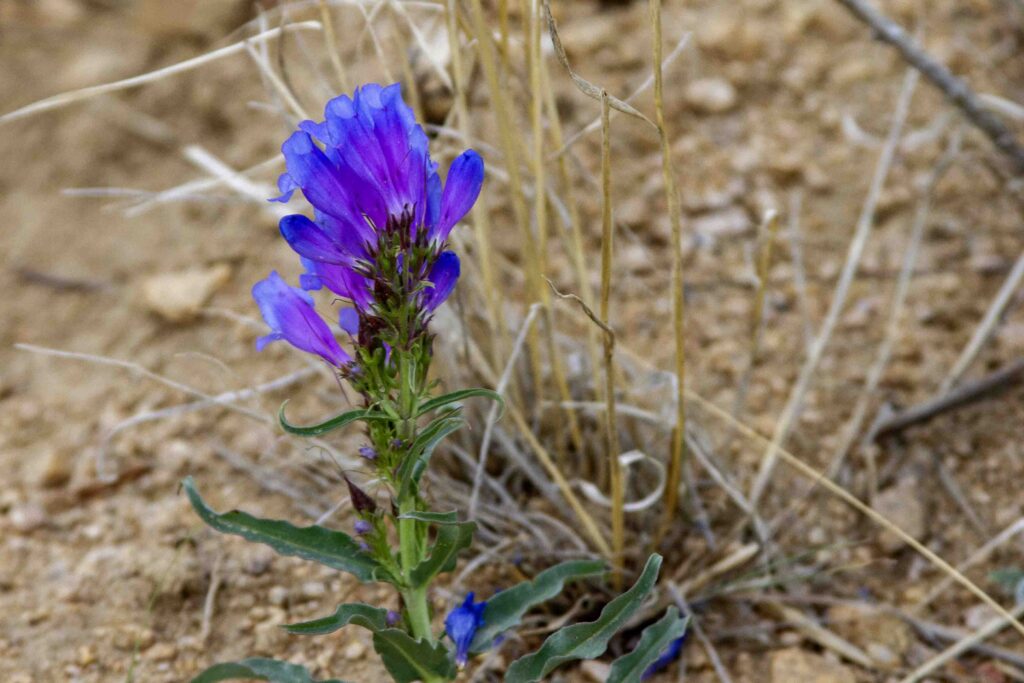
Photo by Stephanie Cantu of Mt. Bailey Productions LLC
A Living Archive in Bloom
The South Park valley is often described as rugged and windswept.
Kneel down in an aspen grove beside a Columbine, or pause in an alpine meadow where Queen’s Crown and Gentian bloom, and you will find intricacy, softness, and quiet brilliance.
Each of these plants represents adaptation, survival, and continuity.
Together, they form a living archive that returns each summer for those willing to look closely.
In South Park, history does not only stand in structures.
Sometimes, it blooms beneath your feet.
Continue the Story in Our Latest Magazine
This blog expands on a feature originally published in the most recent South Park National Heritage Area magazine.
Inside that issue, you’ll find:
• A deeper look at rare alpine species
• Stunning contributor photography
• Insights into preservation and monitoring efforts
• Stories that connect natural and cultural heritage
We invite you to explore the full article and discover how South Park’s smallest blooms tell some of its most powerful stories.